Which Design Skill Should You Learn First?
Brand, social, print or motion - how to choose based on the work you actually want.
"Should I learn graphic design or video editing?" is probably the most frequent question at our counseling desk. People expect an answer about which pays more. That is the wrong comparison, because at beginner level the pay gap between these skills is much smaller than the gap between someone who finished a portfolio and someone who did not.
A more useful question: which of these will you still be doing in month five?
The three realistic starting points
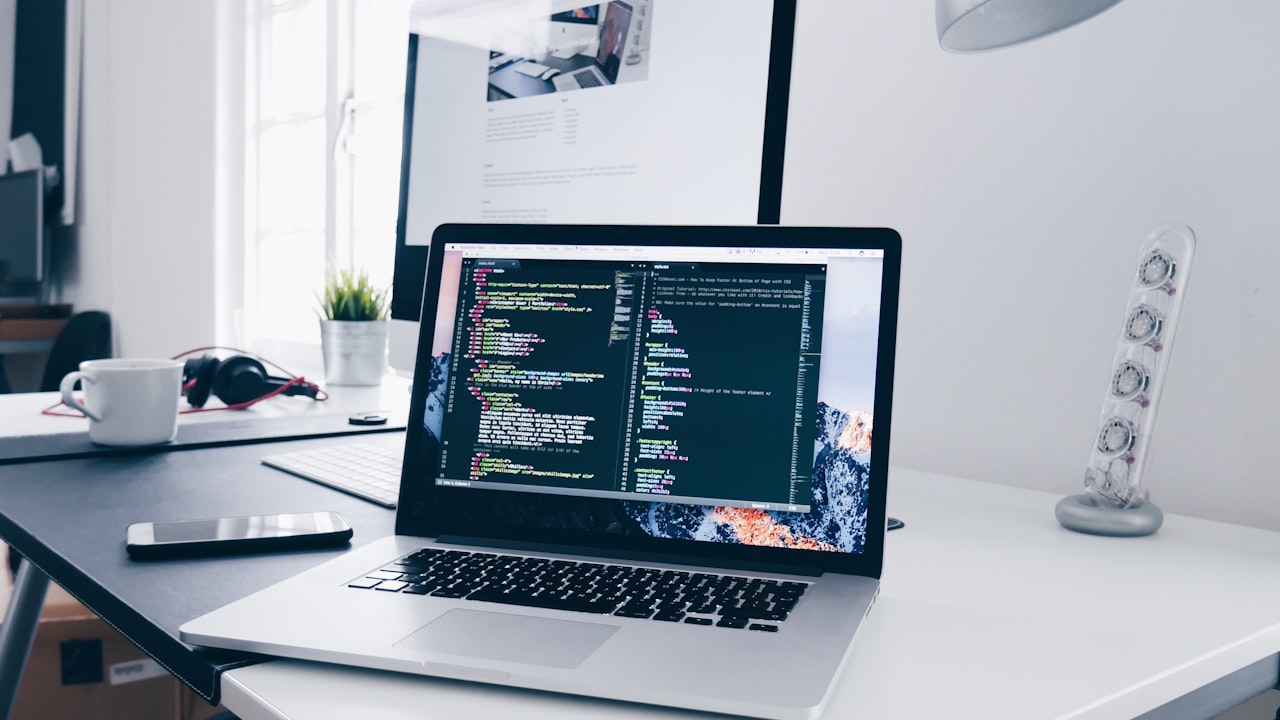
Graphic design
Broadest demand, and the easiest to find first work in, because every business needs posts, banners and covers continuously. It is also the most crowded, so the quality bar for standing out is genuinely high.
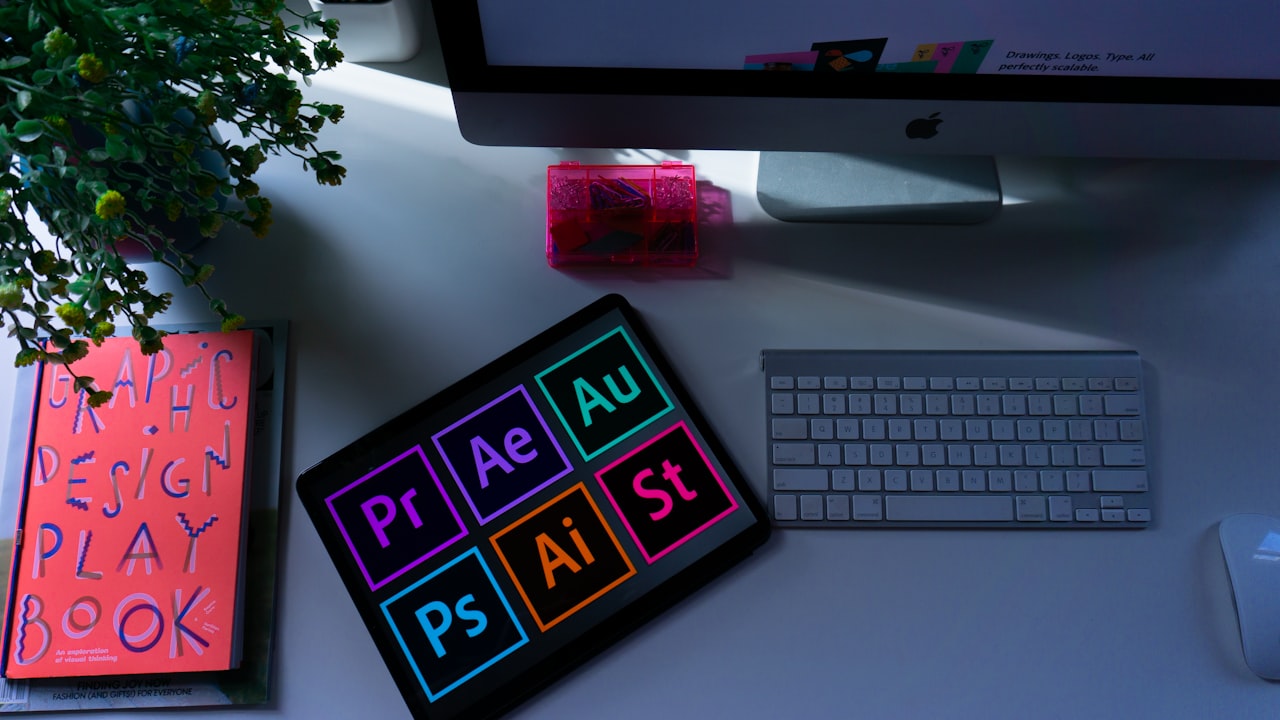
- Tools: Adobe Illustrator and Photoshop; Figma increasingly.
- Time to employable work: around 4–6 months of consistent practice.
- Suits you if: you notice when spacing is wrong and it bothers you.
Video editing
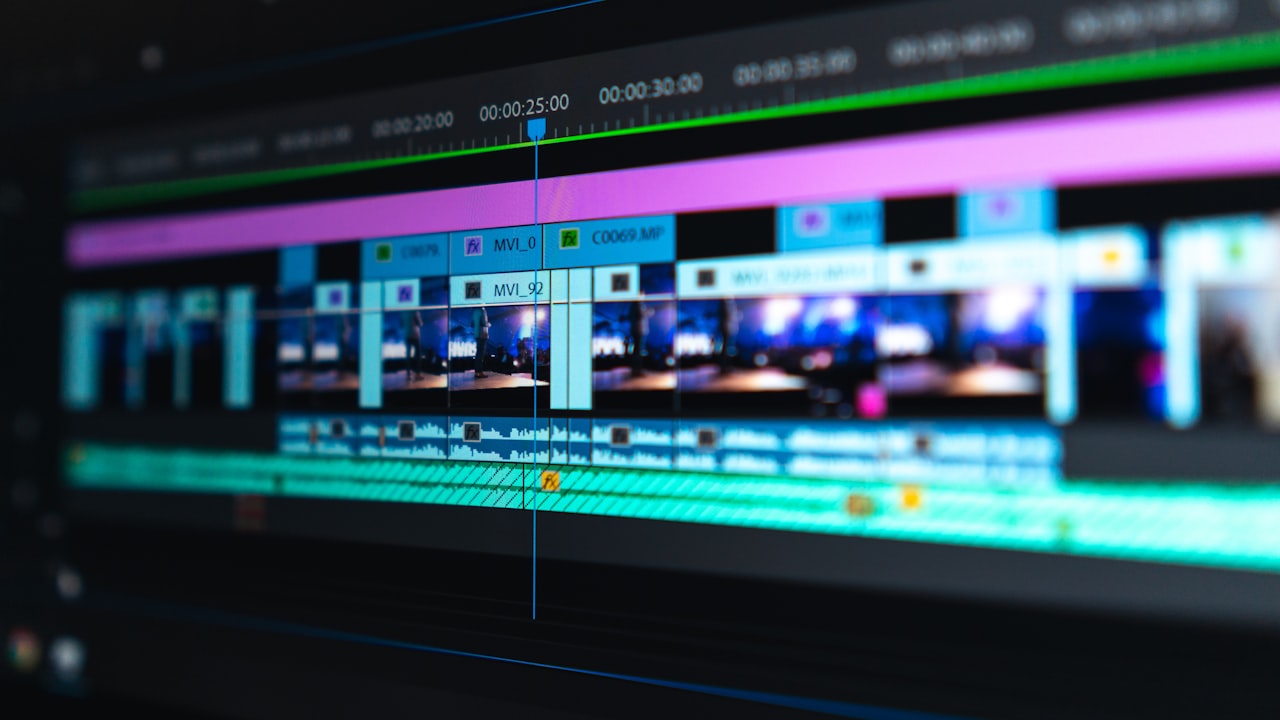
Demand has grown faster than supply, particularly for short-form vertical content. Fewer people finish learning it, because the software is heavier and the feedback loop is slower. That attrition works in your favour.
- Tools: Premiere Pro, After Effects, CapCut for short-form.
- Time to employable work: around 4–6 months, but you need a reasonably capable computer.
- Suits you if: you are patient, and you can feel when a cut lands a beat too late.
UI design
Higher ceiling, higher entry bar. Clients are usually startups and agencies rather than local shops, briefs are longer, and the work is judged on decisions rather than decoration. Difficult as a genuine first skill, excellent as a second.
- Tools: Figma, essentially.
- Time to employable work: 6–9 months, realistically.
- Suits you if: you like explaining why something is arranged the way it is.
Choose on constraints, not on preference
Three practical filters settle this faster than any amount of deliberation.
Your computer. Video editing on 8 GB of RAM and an old integrated GPU is a daily fight that will make you quit for reasons unrelated to your ability. Graphic design tolerates modest hardware far better. Be honest about the machine you actually own.
Your available hours. Graphic design can be practised in ninety-minute blocks. Video editing genuinely wants three-hour blocks, because setup and render overhead eats short sessions. If you study after a full work day, this matters more than interest does.
Your tolerance for repetition. Early paid design work is often twenty variations of one banner. Early video work is often subtitle timing. Neither is glamorous. Pick the boredom you can sit with.
The skill you finish is worth more than the skill that pays better on paper. Every one of these has people earning well, and people who quit in month two.

A test that takes one weekend
Rather than deciding in the abstract, spend two days:
- Saturday: Follow one beginner tutorial in each of the two skills you are torn between. Complete both, however rough the result.
- Sunday: Redo both from memory, without the tutorial.
Sunday is the real test. One of them you will want to keep fiddling with; the other you will want to finish and close. That reaction is more reliable than any market analysis, because it predicts whether you are still practising in week twelve — which is what actually determines the outcome.
What about learning two at once?
Do not, at the start. Splitting attention across two toolsets typically produces two portfolios that are each not quite good enough to hire. Reach a hireable standard in one, get paid for it, then add the second — at which point it is far easier, because you have already learned the harder meta-skill of finishing.
If you are still undecided after the weekend test, book a free counseling session at the campus. We would rather spend thirty minutes helping you pick correctly than enrol you into the wrong course.
Topics in this article
Want to learn this with a mentor?
We run this as hands-on training on campus in Muradpur and in live online batches — with your own work reviewed, not just watched. Come and sit in on a class before you decide.